Terrestrial Biodiversity
Climate Change
Mountains, Glaciers, Tundra & Permafrost
Agriculture, Crops & Soil Health
Climate Adaptation & Resilience
Ecosystem Services
Insects & Microorganisms
Post-Doctoral Fellowships
Iceland
2016.06.09
From Sheep to Insects, Herbivores’ Impact on Tundra Soil and Plants
Dr. Isabel Barrio is headed for Iceland, where the tundra rangelands are important grazing locations for the country’s many sheep, but also its wild herbivores. These plant-eaters affect the dynamics of the ecosystem with their diet and by trampling vegetation. Their activity also amplifies a major threat for this region and others like it: soil erosion. The soil is volcanic and thin here, presenting an extreme of a problem common to different environments worldwide.
What’s more, climate change is expected to compound the issue. Dr. Barrio intends to pin down how herbivore grazing combines to affect soil degradation, how well plants can recover and how humans can respond.
Dr. Barrio’s experiments will explore a spectrum of environmental conditions. She will fence off plots allowing her to compare areas with and without the influence of sheep. She’ll check spots with higher or lower risk of soil erosion, depending on the amount of vegetation and the age of the soil, younger volcanic soil being more prone to erosion. In the short term, she’ll assess the impact on plant growth and flowering; in the longer term, the variety of plants growing in the tundra could be altered.
The potential for damaging this ecosystem irrevocably is a risk for biodiversity, clearly, and with implications for the culturally important activity of sheep farming in Iceland. With the knowledge gained from her studies, Dr. Barrio could advise the industry on when to release their flocks in the highlands, in order to minimize the environmental risks, or on the numbers of sheep the tundra can support. Her results here could inform land restoration practices and will also be relevant to similar ecosystems (like mountain tops) and to locations facing similar problems (like the impact of livestock on soil erosion in New Zealand and Australia).
Dr. Barrio explains that Iceland has been struggling with the degradation of its soils since the early 1900s. Now, with climate change only threatening to worsen the problem, here and everywhere it is time to act.
Scientific title : The Influence Of Herbivore Communities In Tundra Ecosystems Following Anthropogenic Changes In Soil And Climate
To add or modify information on this page, please contact us at the following address: community.research@axa.com
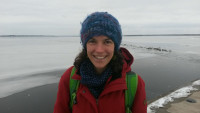
Isabel
BARRIO
Institution
University of Iceland
Country
Iceland
Nationality
Spanish
Related articles

Sustainable Living & City
Climate Change
Climate Adaptation & Resilience
Urban Planning
Resilient Infrastructure & Safety
Environmental Justice
Post-Doctoral Fellowship
Australia
2023.06.20
Indicators for Climate Resilient City Planning
Expected start date:June-2023 Cities contribute enormously to global greenhouse emissions and are key drivers of climate change. By the same... Read more
Melanie
LOWE